Where to find Portugal's darkest skies
The valleys worth the drive, the months worth waiting for, and how to book a house that does not floodlight its own terrace.
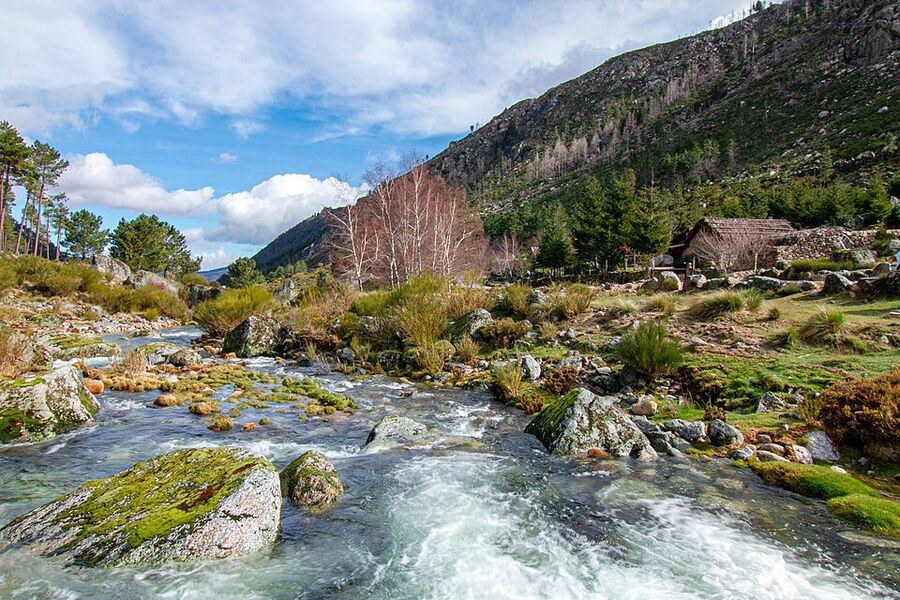
Portugal has some of the darkest accessible skies in western Europe, and two of them are within three hours of Lisbon. Dark-sky travel is one of the few reasons people book a country house for a specific week rather than a convenient one, so it is worth understanding what actually makes a difference.
The three areas that matter
Serra da Estrela gives you altitude, which means less atmosphere and fewer insects, and glacial valleys that block the light of the towns below. The Alentejo interior, particularly around the Alqueva lake, is the largest genuinely dark area in the country and the easiest one to reach with children — you can stargaze from a terrace at ground level, in shirtsleeves, in August. Inland Algarve, above the coastal strip, is darker than most visitors expect once you are ten kilometres north of the motorway.
Moon first, weather second, location third
People plan around the weather and forget the moon. A full moon washes out the Milky Way completely, whatever the forecast. Aim for the week either side of the new moon, and remember that a bright moon setting at two in the morning still gives you two good hours before dawn. Between May and September the sky is clear far more often than not; in winter you get longer nights but more cloud over the mountains.
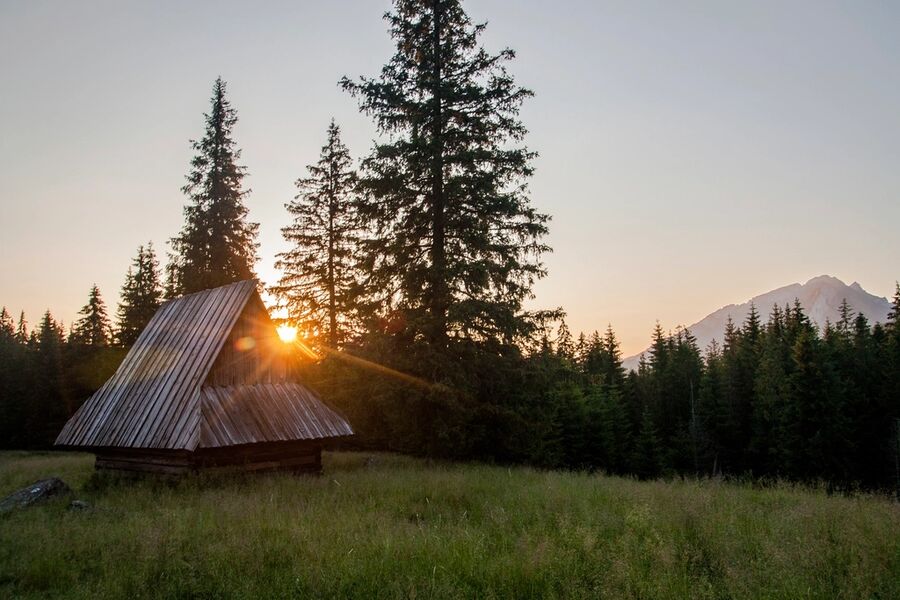
What to ask before booking a stargazing stay
- Is there an outside light that stays on all night? A single motion-free security lamp ruins a terrace. Owners can usually switch it off for your stay, but only if you ask in advance.
- What is the view to the south? The most interesting part of the sky in summer sits low and south. A ridge or a stand of pines in that direction costs you more than a valley to the north.
- Is there a flat, open surface away from the house? A threshing floor, a terrace, a mown field — somewhere to lie down without being in the doorway light.
- How far is the nearest town, and in which direction? Ten kilometres of open plain to the west is fine. Ten kilometres to the south is a glow on the horizon.
What to bring
Less than you think. Binoculars beat a small telescope for anyone who is not already an astronomer: they show the Milky Way as a field of stars rather than a smear, and they need no setting up. Bring a red-light torch or a phone with a red filter — white light resets your night vision for twenty minutes. Bring more layers than the day temperature suggests; even in the Alentejo the ground gets cold by two in the morning.
Guided nights
Several of our owners work with local guides who bring a telescope to the house for a couple of hours after dark. It is the best introduction if you are travelling with children or with someone who claims not to be interested — that position tends not to survive the first look at Saturn. Mention stargazing in your booking request and we will tell you which houses have a guide nearby and what a session costs; there is nothing to pay through this website, and we are paid nothing by the guides.